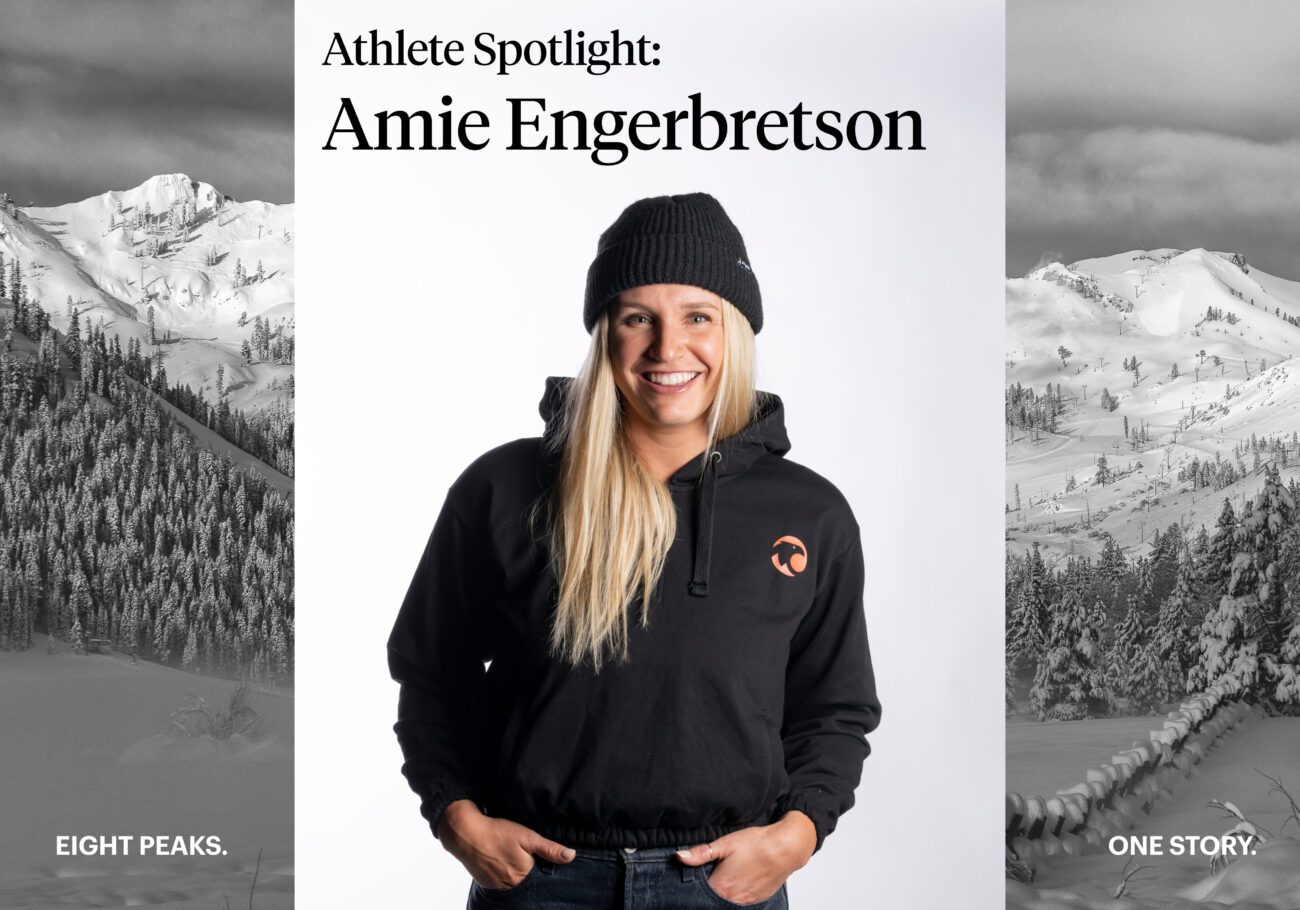
Amie Engerbretson is a woman juggling many titles, as a professional skier, producer, and host, she has her hands full! Born, raised, and based in Lake Tahoe, she’s become a legend in the basin. Growing up on the hill at Palisades and taught by her ex-pro father, she had an unusually fast start on skis.
Amie is a proud advocate for climate preservation and was recognized as the 2021 Alliance Member of the Year by Protect Our Winters. Amie uses her platform to promote women in sports and connect with other women who share a passion for skiing and outdoor adventure.
Now deep into her career, Amie has starred in films from Warren Miller, Teton Gravity Research, and Protect Our Winters. Amie wasn’t always just a skier. Dance dominated a good chunk of her younger years, where she pursued and dreamt of becoming a professional ballet dancer.
Explore how Amie progressed as a pro skier, trained as a competitive dancer (including a tryout for the Laker Girls), and directed The Hypocrite, a thought-provoking film on climate advocacy. Currently, Amie is preparing for another exciting ski season and planning her wedding to professional skier Todd Ligare.
When did you first get on skis?
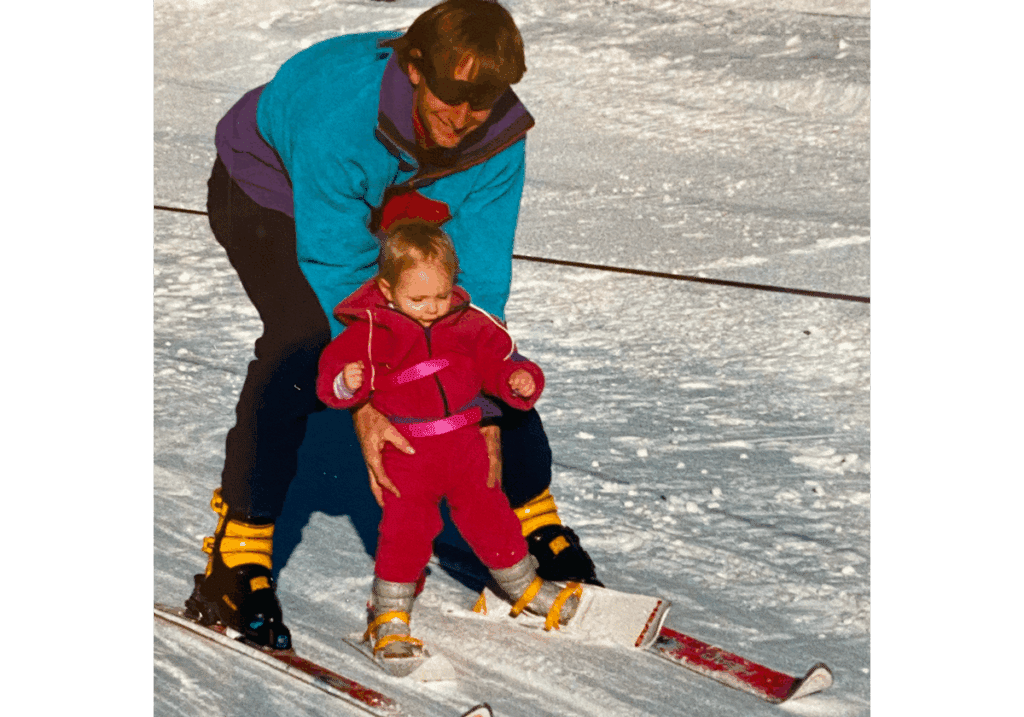
My first time on skis was at ten months old, and there is video footage! It is one of those things where you remember the video versus the actual moment. Apparently, I walked at nine months old, and my dad was super into skiing, so he put me on skis right away.
There’s a video of me on the rope tow at the bottom of Palisades, skiing between his legs. I was holding onto the rope tow and looked like a baby on skis, not a skiing kid. I think that was my “official” first day on skis.
Most of my early skiing moments are associated with these little plastic skis that Velcroed onto my baby shoes. I would do laps on the driveway while my dad dragged me back up, and I would slide down again. I couldn’t even talk yet. “Again” was maybe the only word I knew. I don’t remember any of it; this is all pre-memory. But I know the photos, the videos, and the stories.
What was your childhood development path as a skier? Did you go through the Teams programs?
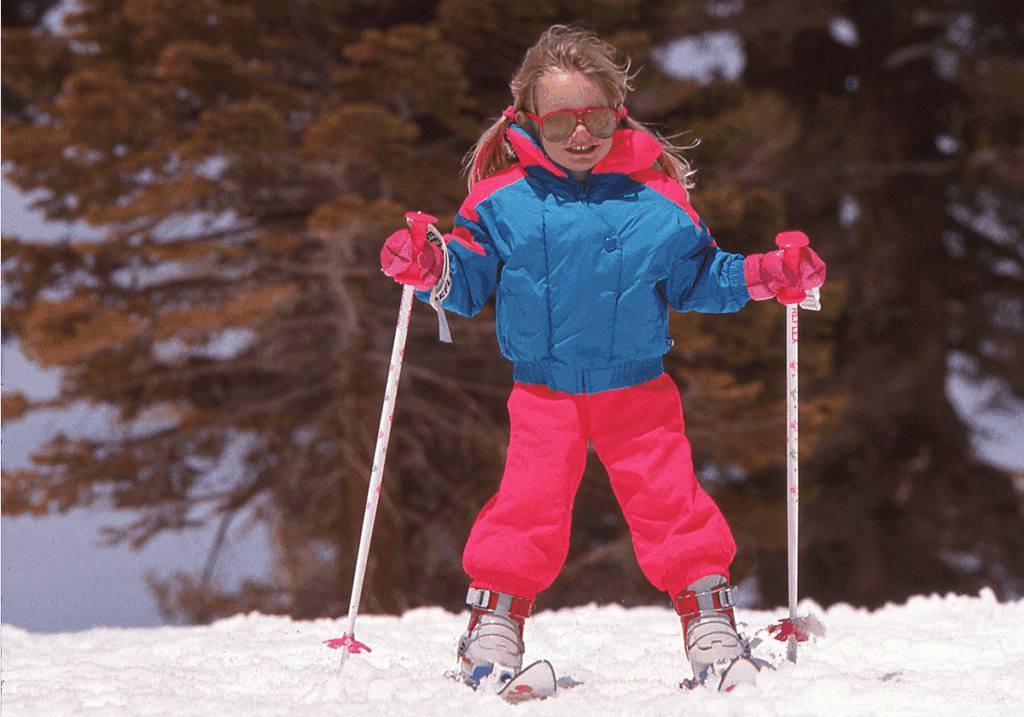 Amie rocking a similar outfit years apart
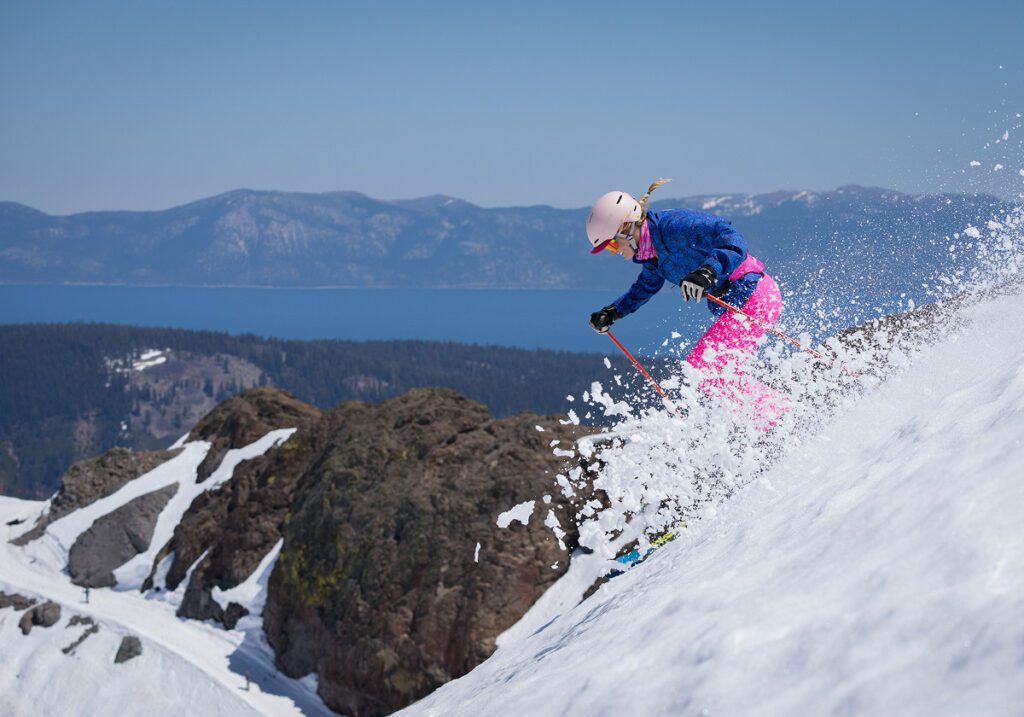 Amie rocking a color coordinated outfit as a kid and as a professional skier
I started Mighty Mites as early as possible. I remember the coaches, the teammates, and always searching for a buddy to ride KT with. When KT was still a double chair, it would stop frequently and swing back and forth above the Fingers. One time, I was the one without a buddy, and I cried on the chairlift. It wasn’t the fondest memory, but definitely a vivid one.
I mostly wanted to ski with my dad, especially on KT-22, so I didn’t have to ride the chairlift by myself. There would be races or team events, and I was not very interested.
Once, I got into big trouble during Mighty Mites. My coach was Matty Moo Herriger, who now films for TGR. He teased me on the gondola, and I was so upset that I stepped off, turned around, and walked back on the gondola to ride down alone. Once on the gondola, I realized that 26 minutes is a long time to be by yourself going in the opposite direction. When I got to the bottom, Ski Patrol was waiting, and my parents were in the Mighty Mite director’s office. I was in so much trouble.
Later, when I coached Mighty Mites in college, I ended up with a kid who constantly deserted the group. I lost him five times that season, which was total karma from being a bad Mighty Mite myself.
Did you play any other sports growing up?
My yearbook superlative should have been “Most Likely to Never Be a Professional Athlete.” I was terrible at most sports. My dad made me try everything for at least a year: soccer, softball, and basketball. I hated all of them.
I golfed for one year in high school, which had a little potential. My dad wanted me to be this tomboy, ski racer, softball player type, but I just was not. He said that watching me play soccer was hilarious because I would run fast enough to look like I was trying, but somehow, I always avoided the ball.
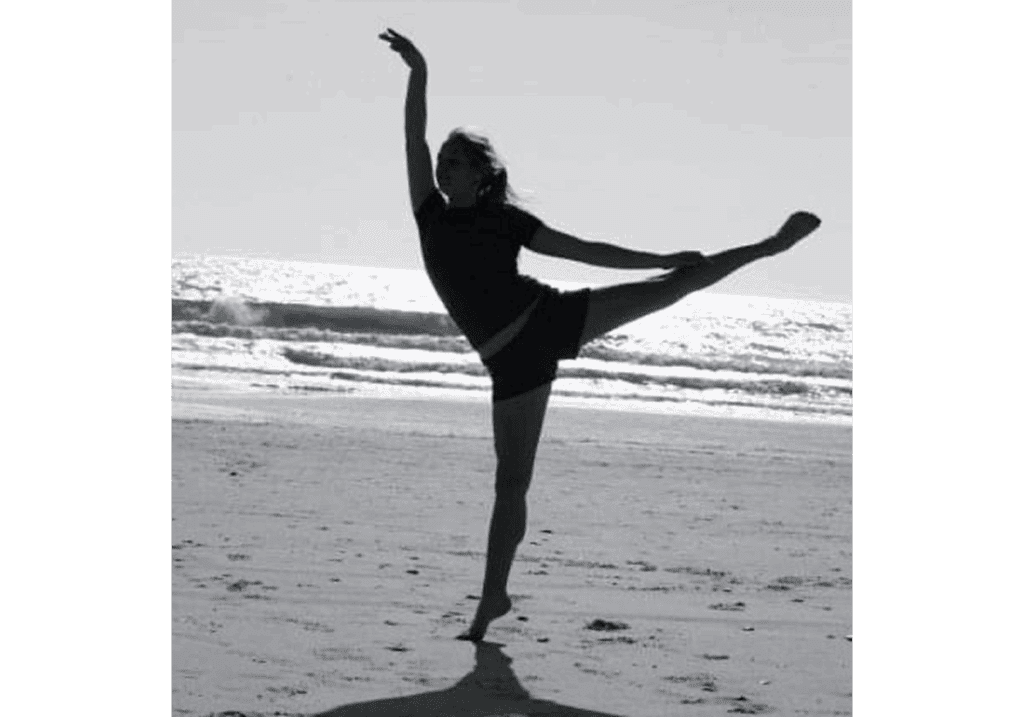
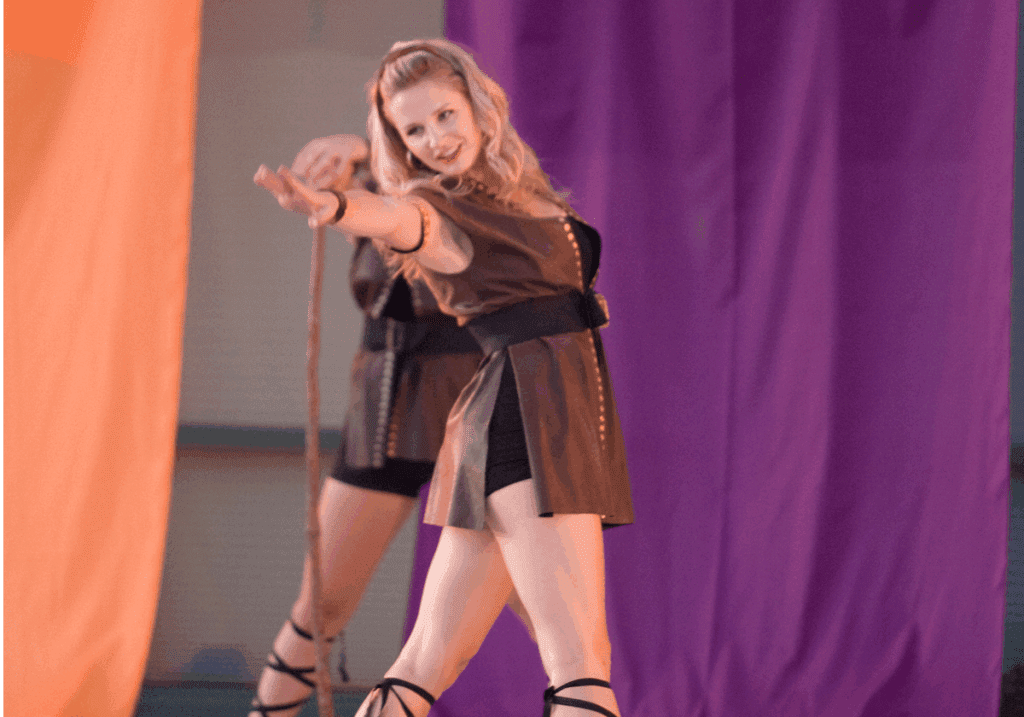
My true passion was dance. I began ballet at three years old, and I was completely dedicated. I would dance in the grocery store’s aisles. It was all I wanted to do.
I loved skiing, especially with my dad, but I never loved racing. In high school, people didn’t view dance as athletic, and they didn’t see the ski side of me either. Most people probably thought I was clumsy and unathletic. It’s funny now, being a functioning professional athlete in my late 30s; nobody saw that coming. My actual senior superlative was “Biggest Flirt,” which my dad did not love.
Jeff Engerbretson is an acclaimed ski photographer and a former sponsored athlete. His love for Tahoe and the mountains translated into a knack for photography, which has been published in numerous ski and sports magazines. Jeff and Amy share a special father/daughter relationship alongside working together professionally on shoots.
How did your dad inspire your career, and how did you get into shooting ski photos?
My dad was a professional skier when I was born and stayed sponsored until I was ten. He was in the first Matchstick Productions films and some of the early movies from Standard Films. I idolized him and wanted to do everything he did. Skiing wasn’t presented as a choice for our family. It was simply what we did and part of our identity.
We lived in Olympic Valley until I was five, then moved to Truckee, but we were still in Olympic Valley constantly. My dad successfully transitioned from being a skier to becoming a photographer and cinematographer.
There are photos of me on the Palisades trail maps as a toddler. I was featured in my first magazine cover when I was two for Ski California Magazine. I was part of ski shoots with Hank de Vré initially. We had a “ski family” we used for these shoots: my dad, Meg (Hank’s wife), Dylan (Hank’s son), and me. We also modeled in Kodak and American Express commercials. It felt normal, like a family business. It did not feel special, the same way a kid whose parents run a mechanic shop might not think it’s unique either.
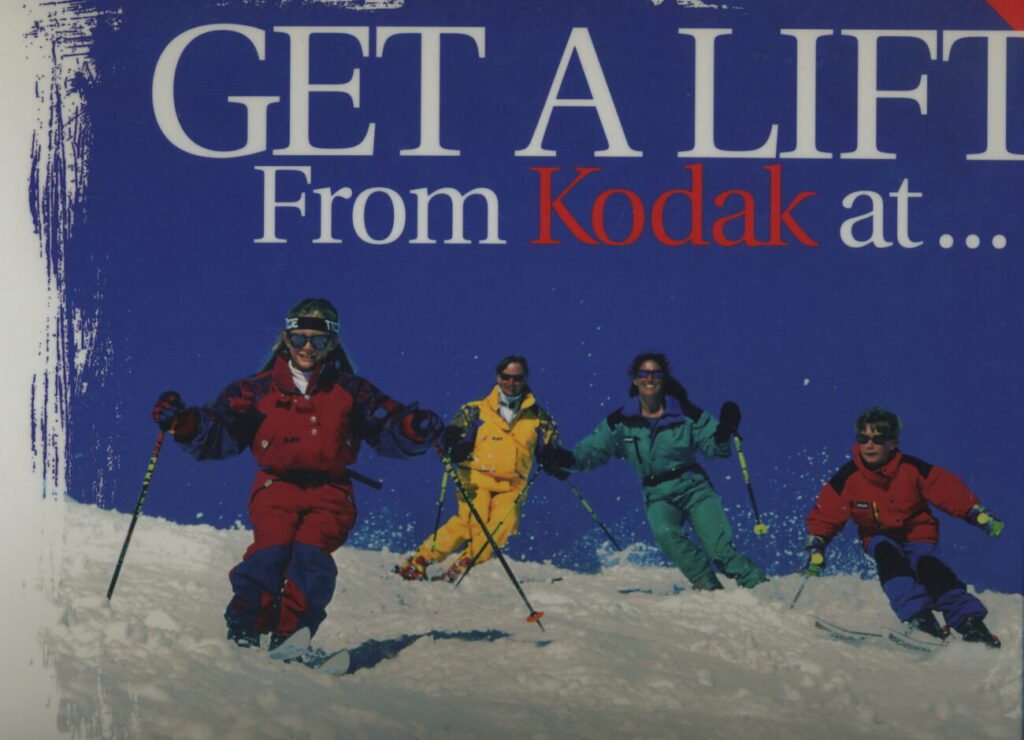 Kodak ad with Amie + Jeff Engerbretson, Meg + Dylan De Vré
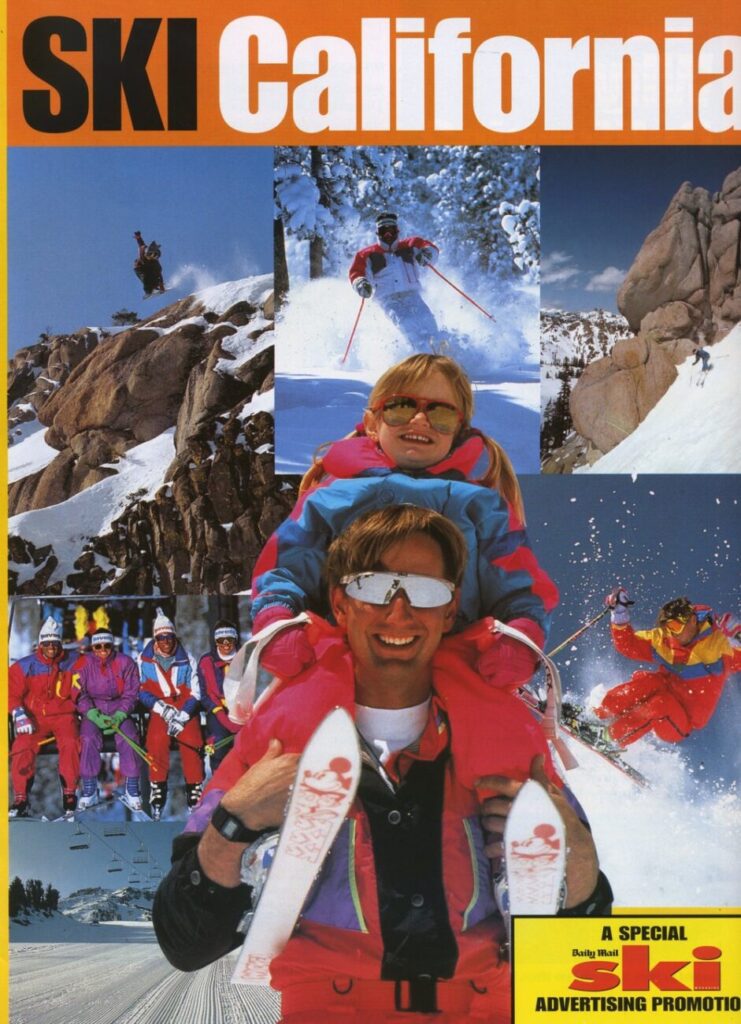 Amie and Jeff Engerbretson as the Ski California Magazine cover
When I hit my teens, I became serious about dance, right around when skiing and dance commitments started to conflict. Around 11 or 12, I had to choose between ski racing and ballet, and for me, it was an easy choice. My dad was disappointed, but I still did his photo shoots on weekends and over breaks.
It’s interesting that my story doesn’t start with the extreme desire to become a professional skier. Back then, there were no big mountain programs. Your options were racing or moguls. I watched how hard my dad worked as a professional skier and how tough the career was, losing sponsors and watching others get opportunities he desired. It was clear that sheer talent wasn’t enough to make it in the ski industry, nor was it an easy or glamorous path.
Growing up, I was focused on dance and the classic “getting out of the small-town trope.” Especially when you’re 18, you feel there’s something better and bigger out there. I didn’t understand until later that I had grown up in the best place ever.
Where did you attend college and what did you study?
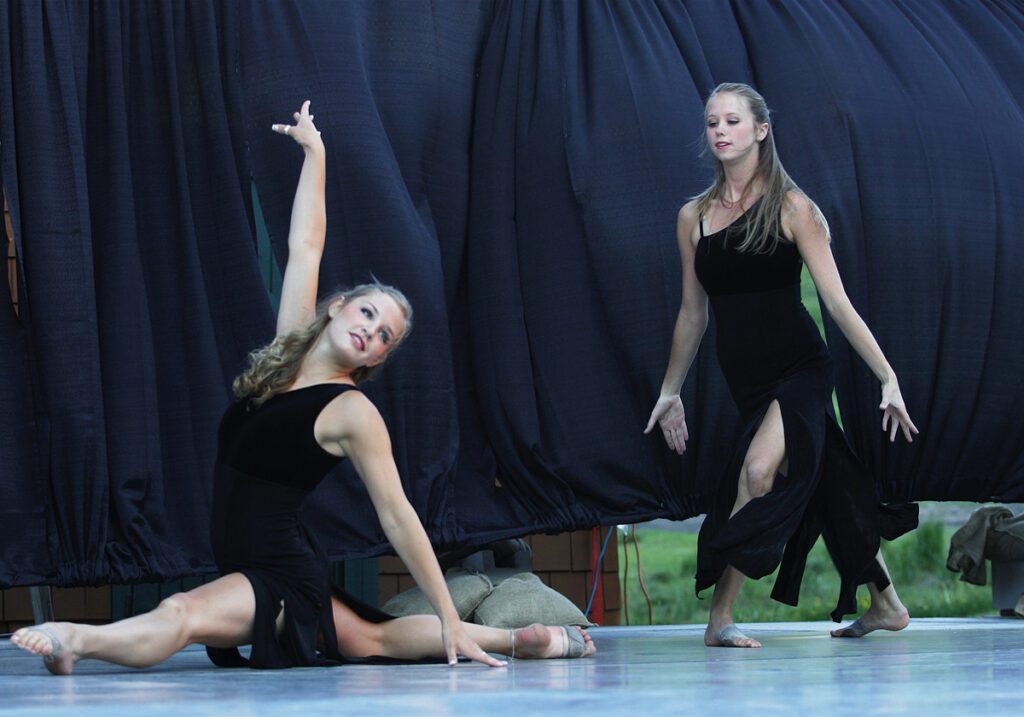
I started at the University of Arizona in Tucson, which had no skiing, but a great dance program. I auditioned eight times for the dance major and got eight rejection letters. It was brutal!
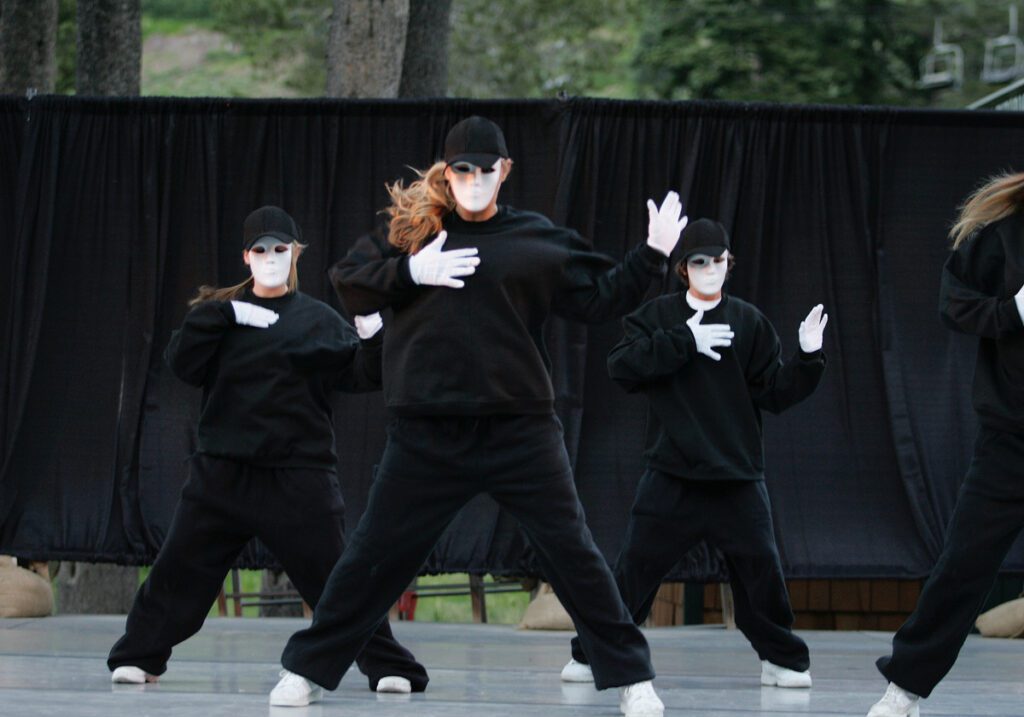
I eventually was accepted as a modern dance minor, but this didn’t spark my interest as much. I danced off-site with a company and in a hip-hop group called Scratch. We went to dance battles, and I would semi-regularly throw out my neck from hair-whipping too hard.
I studied Media Management on an academic scholarship, which was the main reason I chose Arizona. After two years, I transferred to Columbia College Chicago, an art school, where I majored in Media Management with an emphasis in Broadcast Producing and Directing while dancing in the adult division of Joffrey Ballet.
Studying business from the perspective of the arts and entertainment world became very useful later in my ski career. I interned at an ad agency in San Francisco between schools. During that time, I worked five days a week in SF and coached Mighty Mites on weekends. Over Christmas break, I worked at the Wildflour cookie shop. I also studied abroad in Paris for a semester. By that point, dance was more of a passion than a professional pursuit. After eight rejection letters, I got the hint that my ballerina dreams should be reevaluated.
In 2008, Amie’s dance talents led her to an interesting opportunity in Los Angeles. After being recruited by the director of the Laker Girls, she flew out for a private audition for the NBA dance group.
How would you describe the Laker Girls tryout?
This was a small but funny chapter. As a ballet dancer, I felt a bit snobby about this style of dancing. But I decided the tryout would be an interesting opportunity or story, at least. The timing was tough because the audition was after my semester in Paris. I was trying to train in France but could only find traditional ballet classes, no American-style dance classes. I was also dirt poor, living mostly on baguettes, which wasn’t ideal for staying in shape.
I flew straight from Paris to Los Angeles for the two-day tryout. The song was by The Pussycat Dolls and I’m sure the choreography is buried deep in my brain somewhere. I made it through the first round but knew it wasn’t for me. If I had made the team, the dancers made $12,000 a year in Los Angeles. I told my dad I’d basically have to marry a basketball player to make the salary work. It felt like an episode of Dance Moms, but I’m glad I put myself out there and now have the experience as a funny story to tell.
How did you decide to return to the Tahoe area? How would you describe this phase in your career?
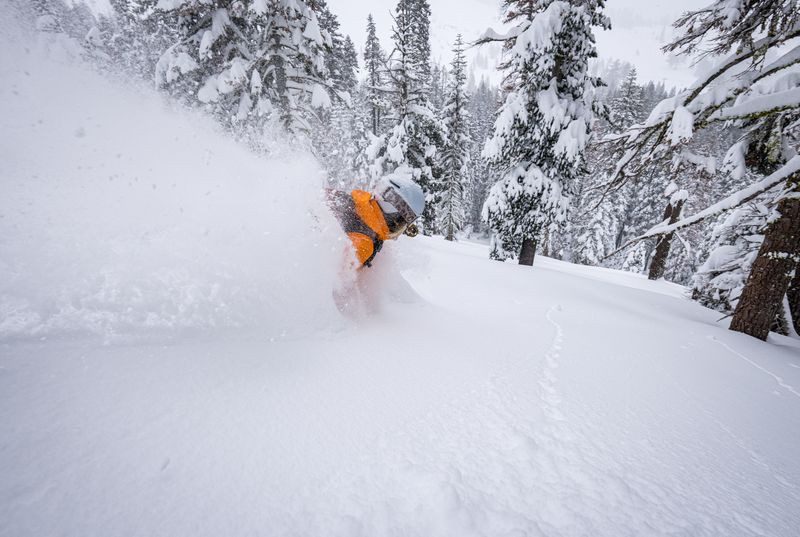
After I moved away, I kept returning to Tahoe every college spring break and holiday. About six months before graduating, I started thinking about my next step. Chicago was a lovely city with great people, but it was flat, and I missed the mountains.
I called my dad with an idea: to move home for one year, ski, do a few competitions, attempt to get sponsored, and see what happens. I wanted to move back to California, and I figured I’d give skiing another shot. Most parents would have said no to their college graduate becoming a ski bum, but my dad loved the idea.
That first year, I started reaching out to local reps. My very first sponsor was Chris Tiller, who’s still the Salomon and Atomic rep today. Back then, he was the Salomon rep, and he gave me my first pair of skis, boots, and bindings. It is funny because I still work with him now that he’s with Atomic.
I shot a bunch of photos with my dad, put together a small portfolio, and got my work published locally, including a few things with Palisades. I felt like I made it when Sessions sent me a box of gear. I think JT Holmes helped make that connection. I received two full outfits and a hoodie, and it felt huge. That was my first real sponsorship, all in my first season at home.
From there, things ramped up. I was featured in local coverage and attended the Snowsports Industries America (SIA) shows. I would bring my iPad and AirDrop my PDF resume to team managers. Not long after that, I went head-to-toe with Salomon, traveled to Europe for skiing, and got my first magazine cover.
I tried a few big mountain competitions and some banzai races, but the industry was in a transition period and felt unorganized. I also realized that photoshoots paid, while competitions did not. I could receive sponsor money to cover gas or a hotel for a shoot, but not for a comp. I remember one event where the women’s first-place prize was $800, and the men’s was $10,000. It was ridiculous. Self-awareness is always key, and I realized how I was more competitive with pushing myself than against others.
By then, I was consistently getting published. My dad and I worked together constantly, and I hustled hard. I contacted every photographer I could find and asked to tag along on shoots. I pitched myself to Josh Haskins, the Warren Miller producer, ten times over the two winters.
I learned early that being a good skier was not enough. You had to market yourself. My mindset came from watching my dad, who believed that being the best skier was all that mattered. I took the opposite approach. While I worked on my skiing skills, I simultaneously treated it like a business from day one. For the first seven years of my ski career, I worked other jobs to make ends meet. It was shocking to do my taxes and realize that I didn’t need to teach barre class for spare money. That was one of the wildest moments for me, realizing that something I once thought impossible was my job.
My journey was not easy, and nothing simply fell into place, but I worked incredibly hard for my success. That mix of determination and perspective, knowing both what to do and what not to do, came directly from watching my dad’s path.
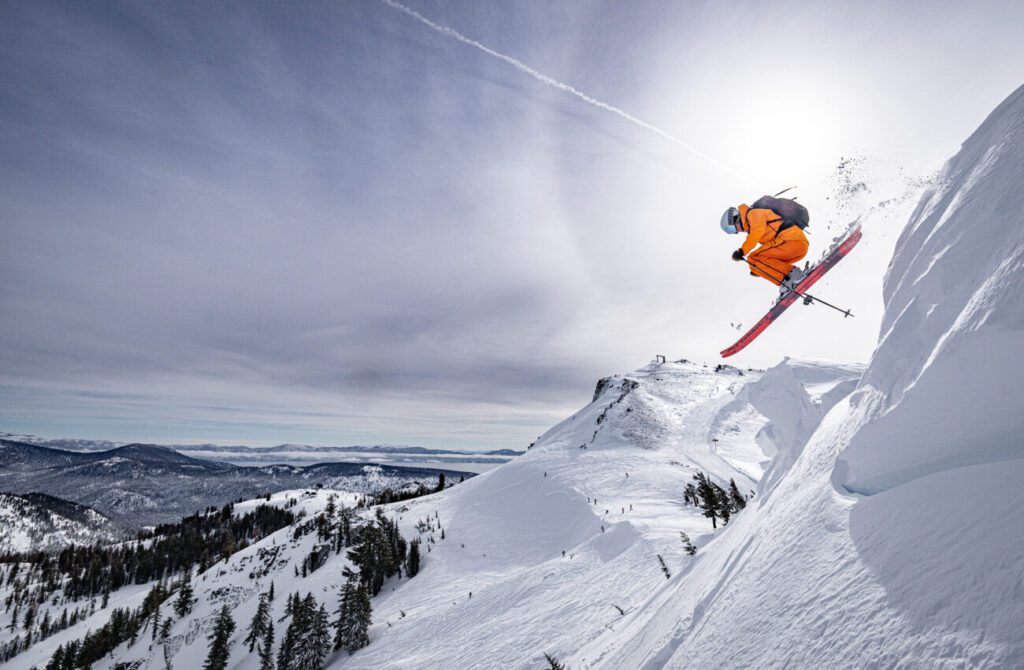
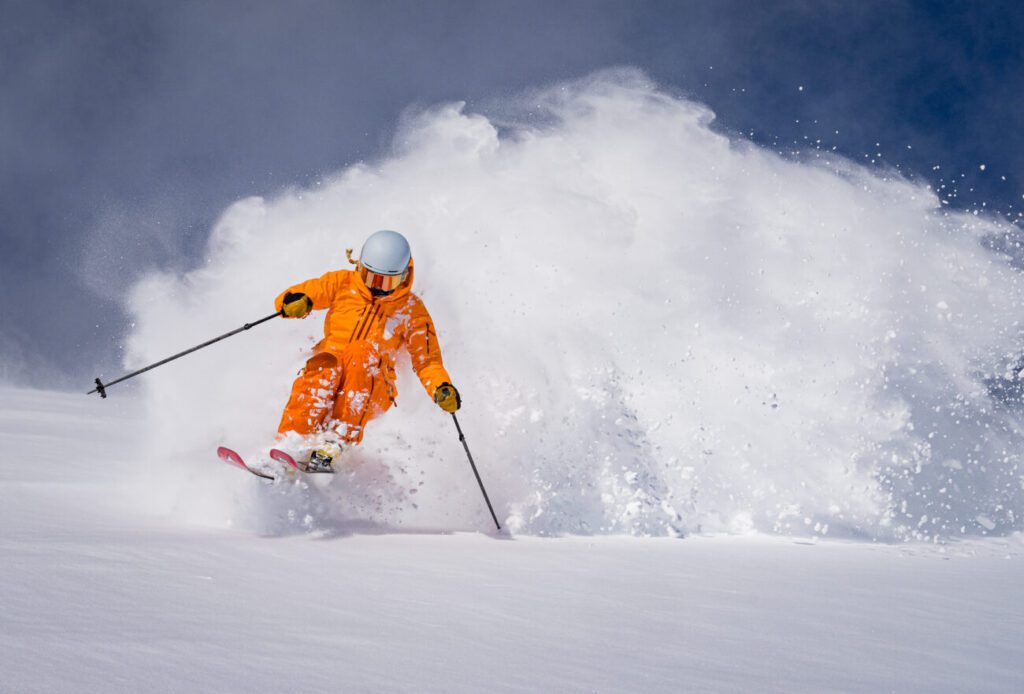
How has social media changed over the years for pro athletes?
Social media has ramped up exponentially in my ski career. It definitely wasn’t part of my early career. I created an Instagram account after college, and I think my first post was about getting sponsored by Sessions! In the early days, it was just about showing people what you were up to, before it became this place to drive sales, evaluate metrics, and prove ROI.
Its reach and value expanded by the time I was making a living off skiing. Social media began to appear in your contracts. Now I’m at the point in my career where people pay me just for a social post or a campaign.
What’s been one of the most challenging or rewarding film projects?
Looking back, The Hypocrite stands out as both the most difficult and most fulfilling project I’ve undertaken. I created this film with Protect Our Winters (POW) around three years ago, funded partly by a POW grant.
The film explores the hypocrisy of being a climate advocate while also being a professional skier who travels, rides snowmobiles, and goes heli-skiing. It focused on imperfect advocacy and challenged the idea that perceived hypocrisy should stop us from making climate progress.
Unity, especially from people who love the outdoors, is more powerful than finger-pointing. It was a challenging subject to tackle because climate change is such a hot-button issue, and tattooing “hypocrite” on your forehead could be considered extreme or insane by some people.
We wanted to talk about climate and outdoor recreation from a middle-of-the-road perspective, which ended up pitting extremes against us. We received criticism from both climate deniers and very hardcore environmentalists, which I guess means that we did something right.
Making The Hypocrite was difficult. I produced it with Teton Gravity Research, but the original director couldn’t finish the project, so I ended up producing, directing, and starring in it. Fundraising was hard, and the release brought real online backlash. My inbox was filled with nasty YouTube, which I partly expected, but the engagement also gave momentum to the overall conversation.
Despite the negativity, the positive feedback was incredibly rewarding. The Hypocrite premiered in about 40 locations, screened at festivals, and sparked meaningful discussions. Many athletes thanked me for expressing what they had been feeling.
At one festival, Kai Lenny, a renowned professional surfer, approached me and said, “I feel this way too. Thank you for making this film.” That meant a lot. I wanted to start a new branch of conversation around climate and invite more people in, and I think that happened.
Earlier this year, when the outdoor community stood up strongly for public lands, it felt like a real cultural shift. I’m not crediting my film for this, but if it even played a 1% role, that would be incredibly meaningful.
This experience showed me that I could be so much more than a skier: I was a producer, storyteller, and advocate. It tied back to everything I studied in college and the values I care about in a powerful way. It was very miserable while it happened, but I’m proud of the work we accomplished.
I also love the short film Boots Over Brim, where we blended Western dancing and skiing. I think I’ll cherish Boots Over Brim most when I’m older. But The Hypocrite was the craziest roller coaster.
How have avalanche accidents changed your perspective on safety?
In December 2014, I was caught in a significant avalanche accident while skiing the sidecountry at Alta. I was fully buried under three feet of snow. I had an airbag, but I was in a terrain trap, and my group had no avalanche equipment. Luckily, some backcountry skiers on the opposite side of the ravine saw the slide and dug me out. Strangers saved my life.
That accident was basically a masterclass in heuristic traps and human error. I had only taken my Level 1 avalanche course a few months earlier and had been in the backcountry about five times.
A month later, I got caught in a small inbound slide after jumping off a cliff at Crystal Mountain. I pulled my airbag but got wrapped around a tree and injured my knee. Having those two accidents so close together was an incredibly traumatic and intense experience. I had nightmares and trouble sleeping for a year and eventually attended EMDR therapy, which helped tremendously.
Those experiences fundamentally changed my risk tolerance. For years, it was noticeable in my skiing. I’d turn and immediately look over my shoulder. Deep snow brushing against me made me nauseous. But I refused to let fear define me or take away my love of skiing. I kept showing up, even though I had to rebuild my confidence.
Over time, I learned to manage fear instead of eliminating it. I became hyper-communicative with partners, sometimes to the point of annoying people, but that’s how I stayed safe. It took years to find backcountry partners who respected my new level of caution.
One of the proudest moments was being able to eat breakfast before filming in the backcountry again. That’s how bad my anxiety had been.
I’ve also learned that fear isn’t something you can simply conquer. It’s something you build a relationship with. When people ask if I’m over the avalanche, the answer is no. It is part of my story and how I make decisions. I still get scared, but now I ask myself: is this a reasonable fear that’s keeping me safe, or an unreasonable fear holding me back?
That shift has helped me far beyond skiing, including intimidating moments like advocating for climate policy during meetings in Washington, DC. Fear management lives in different forms. The avalanche changed my career, but it didn’t ruin it. It helped me become a more thoughtful skier, storyteller, and person.
How do you approach being a role model for women in skiing?
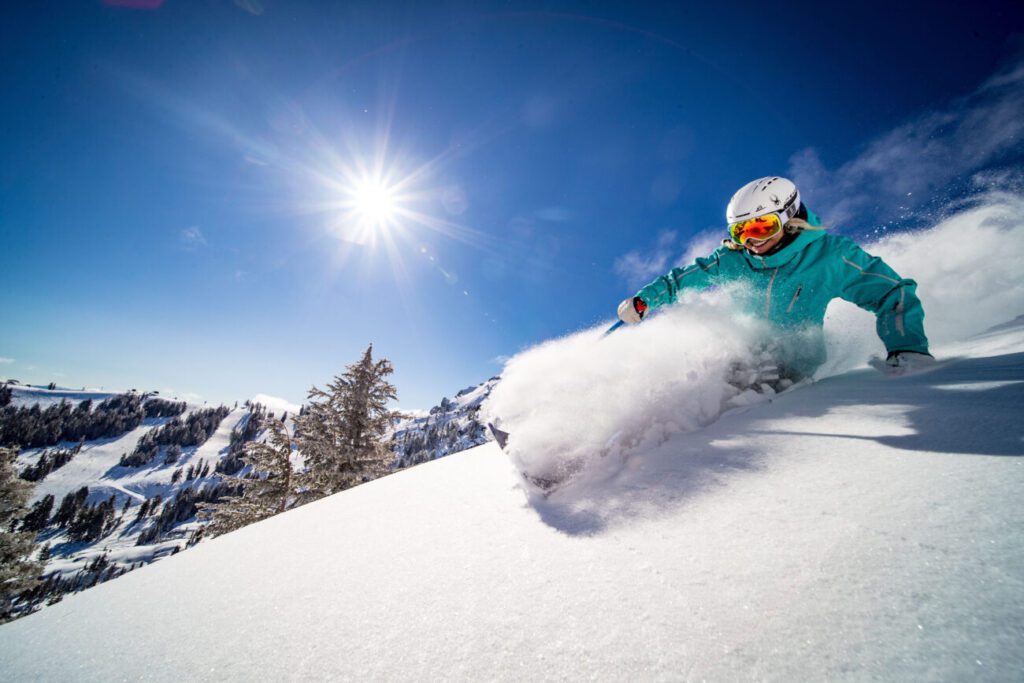
This is one of the most important aspects of my career. I entered skiing at a time when I wasn’t the only woman, but I was right in the middle of what I’d call the “one-girl” tokenism era. There was space for one girl in a movie, on a trip, or on a team. I would talk to agents who said, “I already have one of you.”
I have always been open with other athletes, sharing my decks, sponsor contacts, and editing strategies because that transparency helps everyone. I also try to be honest with women about what this career really looks like. No one told me about the difficulties of balancing things like family planning and a professional ski career. I think the next big challenge for the industry is making space for women who have kids.
As a woman in my mid-30s, I still wonder what the next phase of my ski career will look like. But I remind myself that whatever I go through now might make life easier for the next generation. I feel it’s my obligation to honor the women who came before me by leaving the sport better for those who follow.
And mentorship extends beyond gender. Many male athletes reach out asking for advice about sponsors, social media, or public speaking. I consider myself an open-book person. Communication helps everyone.
Women of Winter (WOW) is a place for women to connect, learn from expert female instructors, and progress in a supportive environment. Palisades Tahoe offers Women of Winter camps or weekly clinics. In 2024, Amie hosted her own signature camp with two days of skiing, après happy hour events, yoga, and signature gift bags.
Describe your experience hosting a WOW camp. What excites you about the 2026 camp?
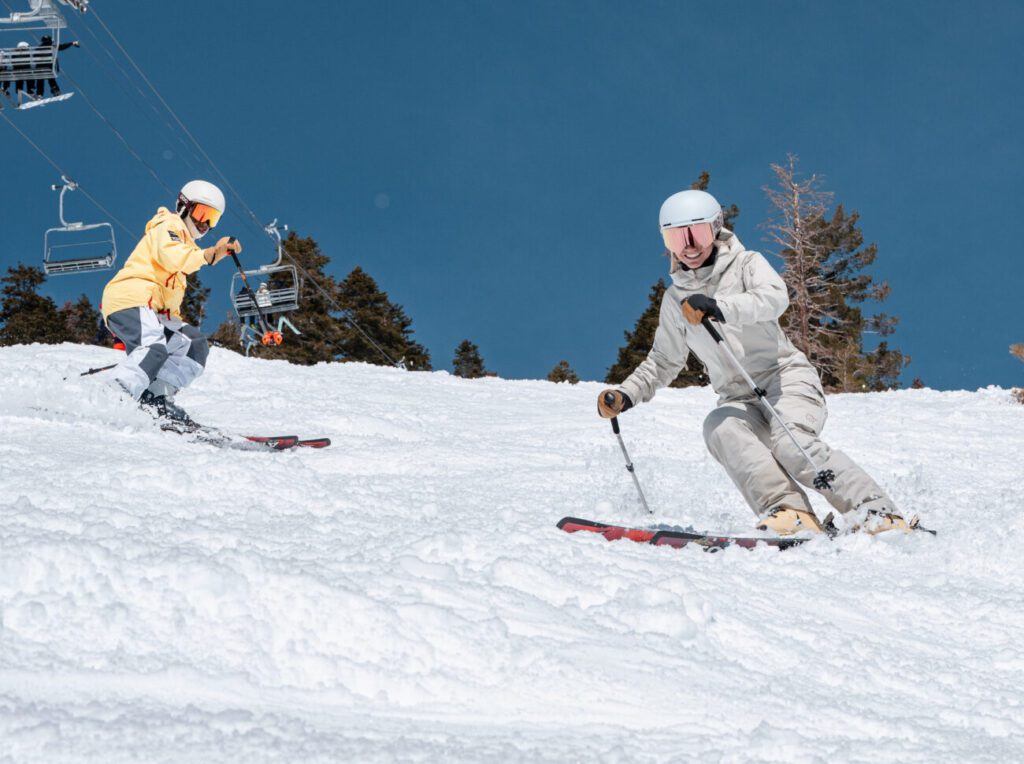
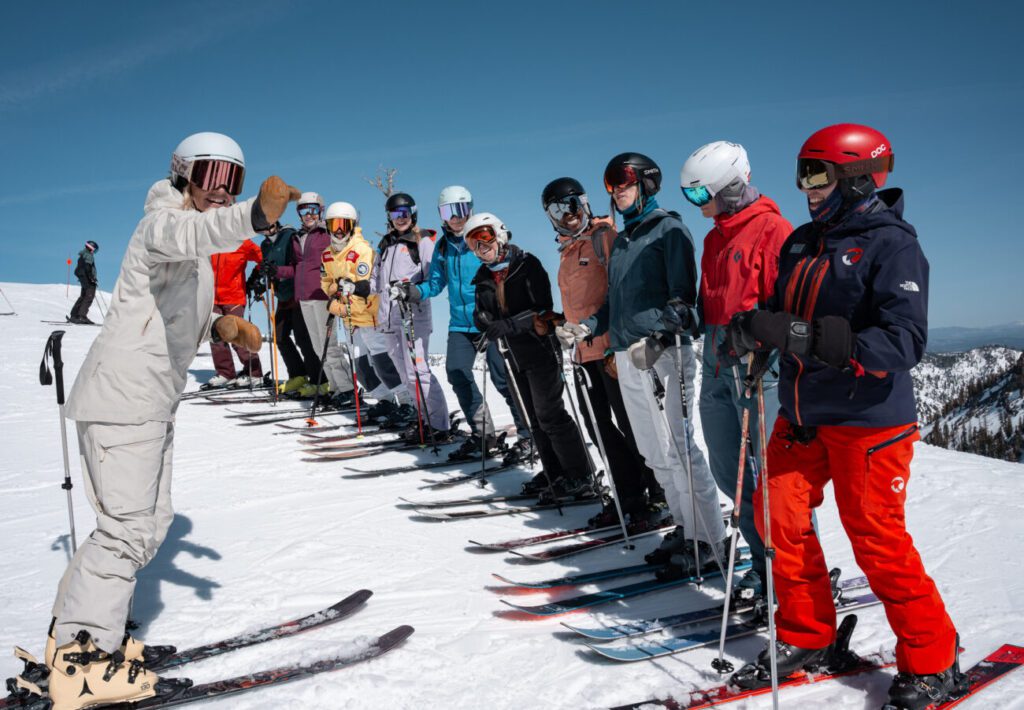
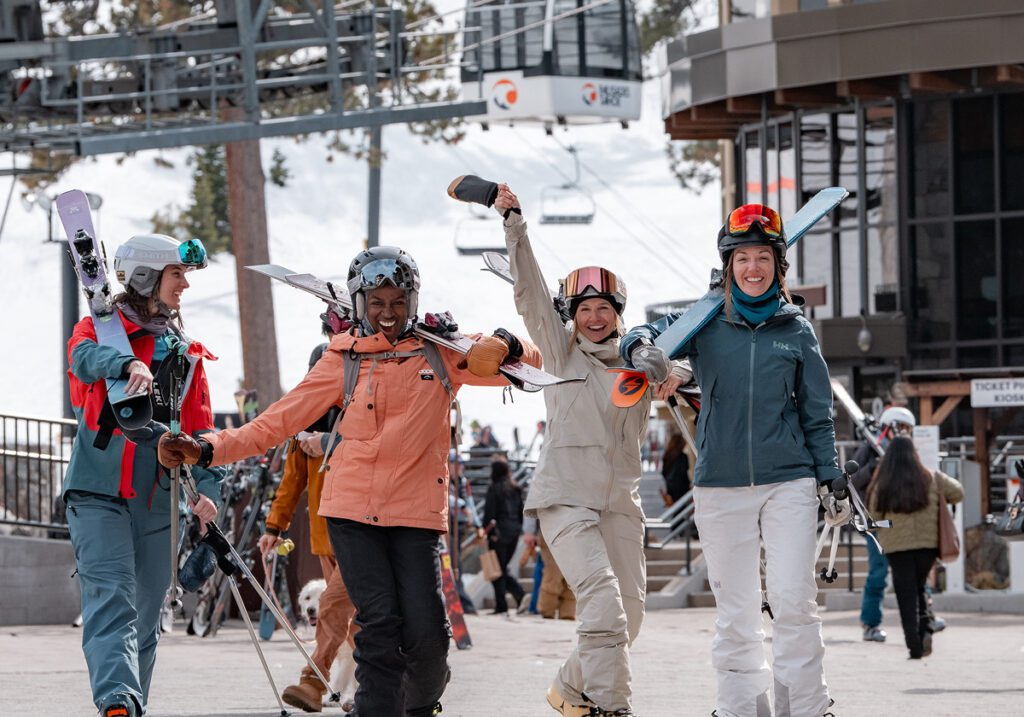
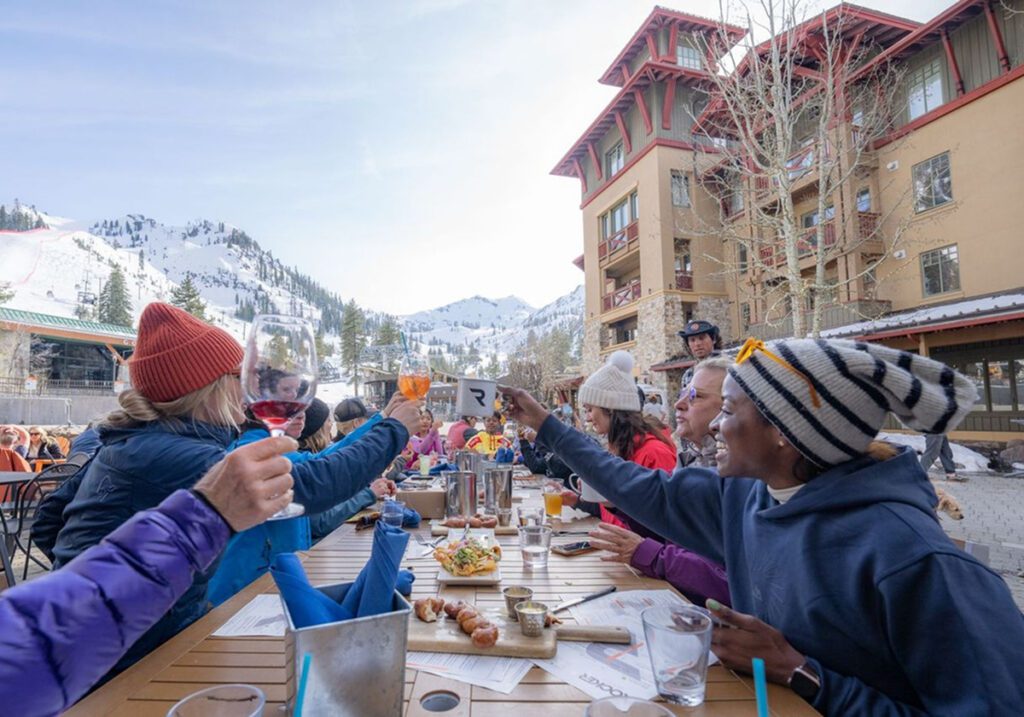
Hosting the WOW Camp last year was so fun. The women who attended created a group chat afterward, and two of them took a ski trip to Chile together. Seeing friendship and partnerships develop was one of the best parts.
The WOW Camp directly reflects what I’m trying to do for women in sport: create a clear pathway for continued progression. It’s not just about keeping up with your partner but about building confidence in a supportive environment.
My whole philosophy around women in skiing centers on confidence. Women don’t have testosterone at the same levels as men, so we can’t fake confidence as well. We must earn it through experience, trial, error, and success. The WOW Camps create a space where women learn from other women. Often, when it’s just us girls, there’s this natural comfort and camaraderie that makes learning and progressing feel organic.
What I didn’t expect was how many lifelong friendships were formed. The women not only progressed their skiing and pushed themselves, but found new ski partners who matched their ability levels. We also did a demo of Atomic’s new Maven line, designed for women. Five of the ten campers bought those skis. I can relay the message back to my sponsors that these women are serious consumers. They want long, stiff skis.
I love challenging stereotypes about what women want in skiing. I’m excited to grow the community, strengthen friendships, and keep proving that women belong in the advanced skiing space.
The “dude trip” culture is so dominant in skiing, so seeing groups of women taking ski trips and pushing themselves together is powerful. I’ve been fortunate to join many women-specific trips, and there’s a special kind of magic in that camaraderie.
Please note the 2026 camp is no longer accepting sign ups.
How did you meet your fiancé, Todd? What do you love most about him and how is wedding planning?
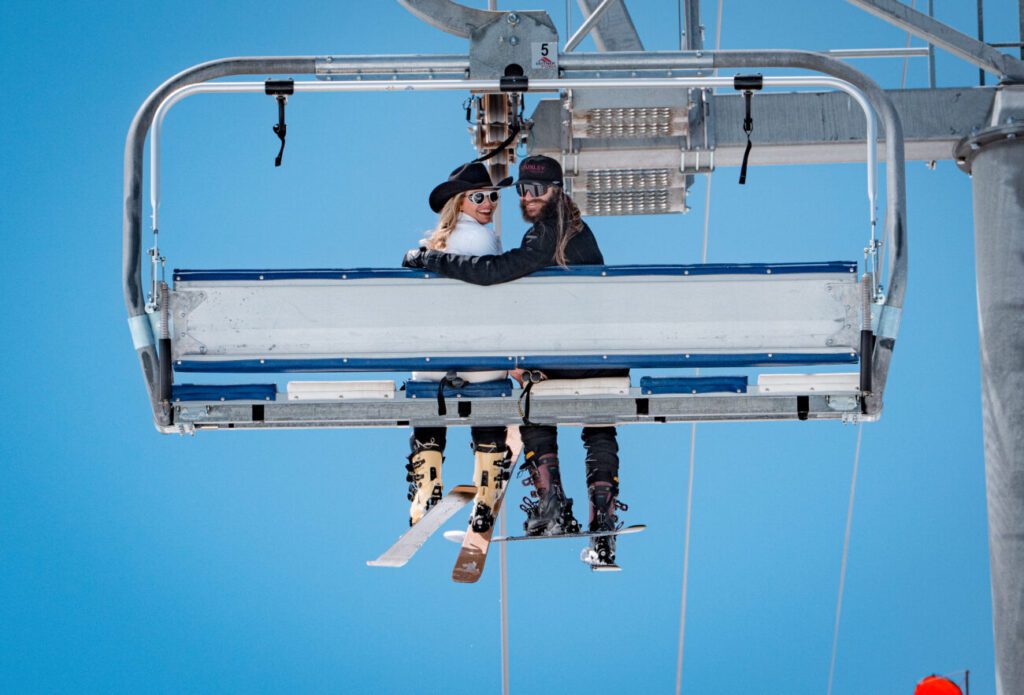
Todd Ligare is my fiancé! We’ve been dating for 11 years, so when he proposed, I wasn’t surprised so much as shocked that it happened. He’s a professional skier, and we met in 2014 on a trip to Revelstoke. I knew who he was since he was featured in multiple segments in TGR films that year.
When we first met, he had this bad boy reputation, which is not true. He is one of the kindest, most empathetic people I know. I assumed I was not his type as the California bubblegum-smiley ski princess.
Our relationship grew slowly over the years since we lived in different places and were focused on our ski careers. That dynamic eventually made our bond stronger. We understand each other’s lifestyles: constantly traveling, chasing storms, and missing holidays. Skiing and adventure always come first, and we can celebrate the rest in our own way.
He is my favorite ski and sled partner, and we even run a ski film tour together in the fall, called Powtown Revival. We hosted our engagement party at Palisades last spring. It was a spring ski day with a “wet denim” theme, meaning everyone skied in jeans, followed by a celebration at the Chammy.
We are getting married next June, just north of Truckee. I’m deep in wedding planning right now, which is both stressful and exciting. Currently, I hate wedding planning, but it’s too late to back out. I’m not a lowkey person, and the wedding vibe is a little “go big or go home.” My dad found a horse for me to ride down the aisle in my dress, so it’s going to be quite the event.
And speaking of girls’ trips, for my bachelorette party, Ikon Pass is hosting us in the Dolomites this December. Shockingly, planning a ski trip for ten women is much easier than planning a wedding.
| Palisades Tahoe Pro Athlete Blog Series |
| • Jonny Moseley |
| • JT Holmes |
| • Amie Engerbretson |
| • Connery Lundin |
| • Bryce Bennett |
| • AJ Hurt |
| • Michelle Parker |